
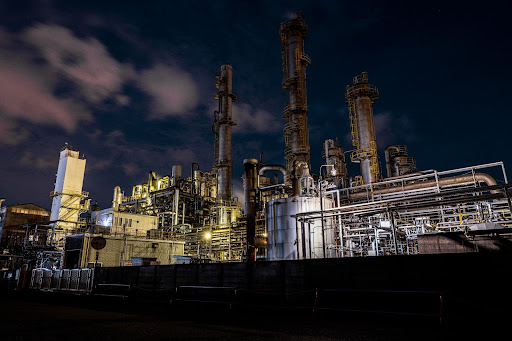
Tensions in the Middle East reached a boiling point this week as Iranian missiles and drones struck critical energy infrastructure in the UAE and Iraq. The attacks targeted the Shah gasfield and the port of Fujairah, resulting in a 3% jump in international oil benchmarks. Brent crude is now trading at over $100, reflecting the heightened risk premium associated with the three-week-old war.
The strategic importance of the targeted areas cannot be overstated, as the UAE is the third-largest producer in the Opec cartel. Since the war began on February 28, the nation’s crude output has been cut by more than half. Most export routes through the Gulf are currently inaccessible due to Iran’s military presence in the Strait of Hormuz.
In addition to the UAE strikes, Iraq’s Majnoon oilfield was also hit, expanding the geographic scope of the energy disruption. At the port of Fujairah, a tanker fire and damaged storage facilities have led Adnoc to halt all oil loading. This effectively severs the last remaining major outlet for Emirati crude to reach the global market.
The resulting scarcity is forcing a return to coal in many Asian countries to keep the lights on. Governments in the region are taking drastic steps to mitigate the impact, including Sri Lanka’s “work-from-home” style holiday mandates. The President of Sri Lanka, Anura Kumara Dissanayake, has urged his citizens to prepare for a prolonged period of energy instability.
While the Trump administration’s stance on the conflict remains a subject of intense market speculation, ground reality continues to drive prices. Goldman Sachs analysts emphasize that the refined fuel market—specifically jet fuel—will likely see the most aggressive price hikes. For now, the global energy sector remains at the mercy of the escalating military situation in the Gulf.