
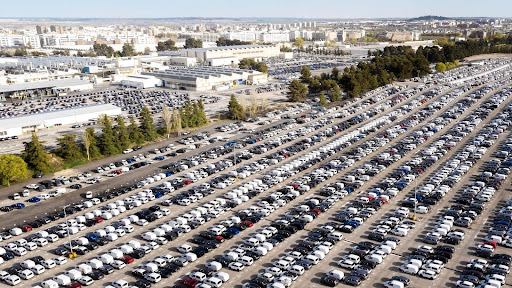
As the Chinese domestic auto market reaches record levels of saturation, manufacturers are looking toward international horizons for future growth. With sales hitting 34 million units, the room for further expansion within China has become remarkably slim. This has forced a strategic pivot toward establishing manufacturing and research facilities in overseas territories.
The data supports this aggressive outward push, with export volumes growing by more than 21% last year. China has successfully held the title of the world’s top vehicle exporter for three straight years. This success is shared among local brands like BYD and Chery, as well as international brands that manufacture their global fleets within Chinese borders.
New Energy Vehicles (NEVs) have emerged as the most important factor in this export story. Accounting for over a third of total exports, NEVs saw their international shipments double in a single year. The China Association of Automobile Manufacturers expects this segment to be the primary driver of an anticipated 7.4 million total exports this year.
The transition from exporting to localizing is a “structural necessity” according to industry leaders. Because the Chinese market is expected to grow by only 1% annually in the near future, companies must diversify their geographic footprint. Establishing service networks and R&D centers in foreign markets is now the standard for competition.
Global leaders like Toyota provide the ultimate template for this strategy, with the majority of their cars built outside their home nation. Chinese automakers are now following suit, seeking to rebalance their production capacity through international cooperation. This evolution marks a maturing phase for the industry as it seeks a permanent place in the global market.