
The threat of rising inflation has returned to the forefront of the UK’s economic debate following a series of military strikes in the Middle East. According to the Office for Budget Responsibility, the conflict could keep inflation at 3% through the end of the year, defying previous hopes for a drop to 2%. This news comes as a blow to families who have only recently seen the pace of price increases begin to slow.
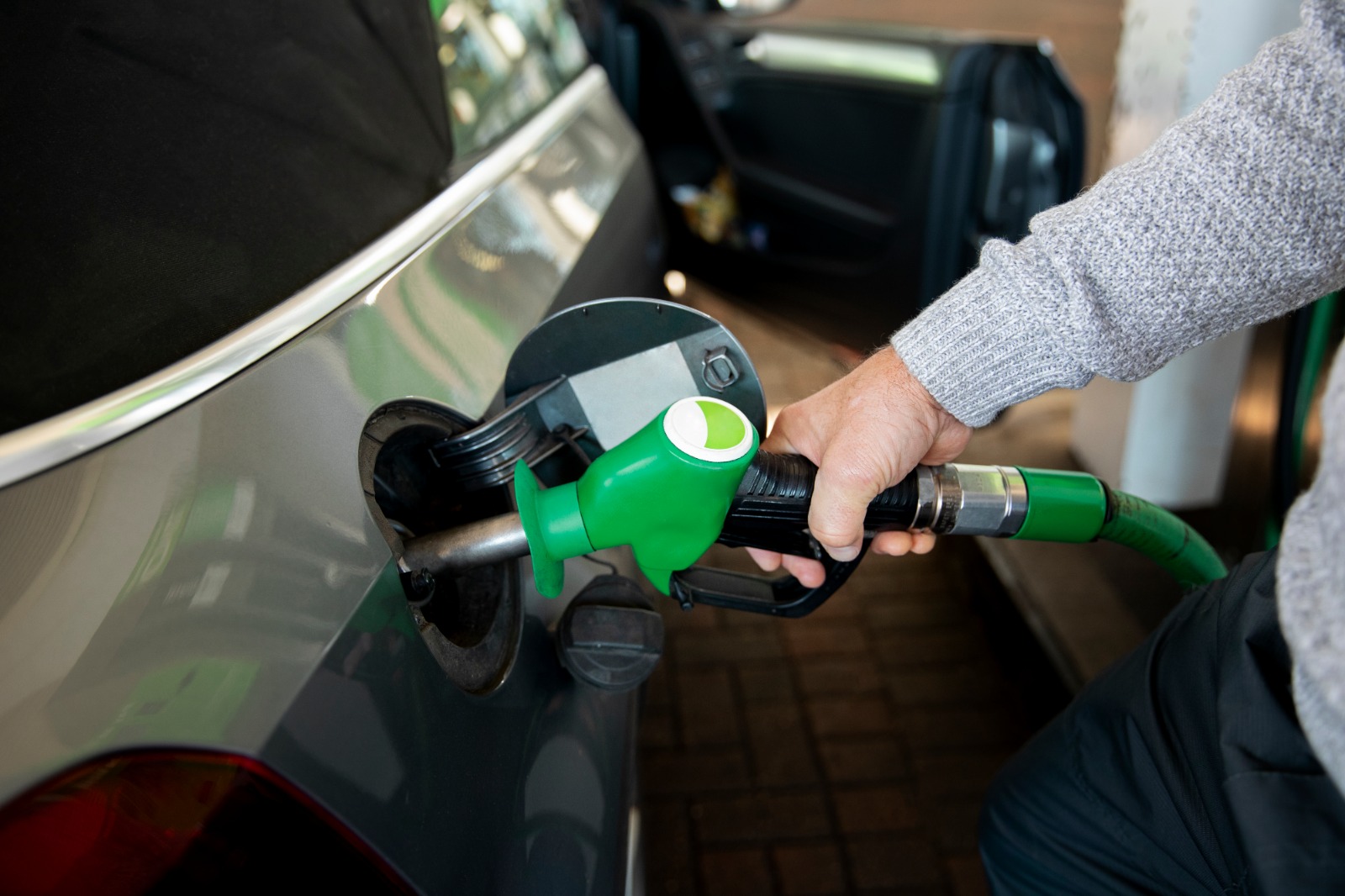
The link between international conflict and domestic costs is clear: the US-Israel-Iran war has triggered a 20% rise in oil prices and a 50% jump in gas prices. These wholesale increases are being passed on to consumers at an alarming rate. Recent data shows petrol prices rising by 3.5p per litre and diesel by 6.9p, marking the most rapid increase seen in nearly two years.
Chancellor Rachel Reeves has taken a firm stance against “price gouging” by fuel retailers during this period of uncertainty. She has pledged to hold the industry accountable, especially in cases where garages are charging well above the national average. Despite this, she has faced criticism for her refusal to scrap the 5p fuel duty increase scheduled for September, which some argue would provide immediate relief.
The broader impact of this energy crisis is felt in the financial district, where expectations for interest rate cuts have vanished. The Bank of England is now facing a dilemma: keep rates high to fight energy-led inflation, or cut them to support a weakening economy. Most analysts believe the central bank will choose the former, prioritizing price stability even if it means continued pain for borrowers.
As the situation in the Middle East remains fluid, the UK’s economic future is clouded by uncertainty. The OBR has noted that while the current shock is less severe than the 2022 crisis, the government’s financial “headroom” is significantly smaller. This suggests that the Treasury may not be able to offer the same level of direct support to households if energy prices continue to climb.