
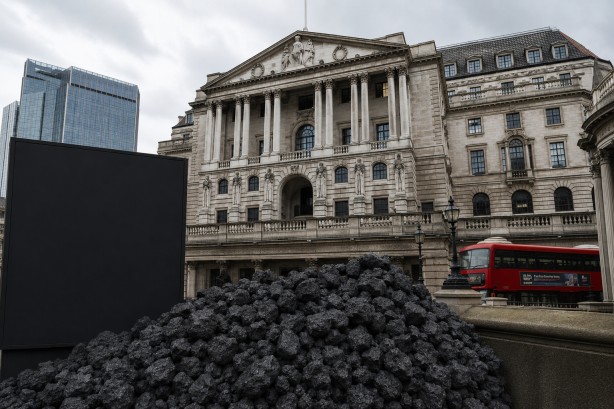
The Bank of England has taken a significant step in addressing climate-related financial risks by announcing that, starting in October, it will no longer accept bonds associated with thermal coal companies as collateral for its lending operations. This decision reflects the growing financial risks faced by companies involved in thermal coal, as countries worldwide accelerate their shift towards cleaner energy sources and strive for net-zero emissions.
In the banking sector, major lenders use bonds as collateral when borrowing funds from central banks, a practice that supports daily operations and facilitates transactions. However, under the new policy, bonds linked to thermal coal—the fossil fuel commonly used in power plants for electricity generation—will be deemed ineligible. This move is part of a broader strategy to shield the central bank’s balance sheet from potential losses due to the devaluation of coal-related assets over time.
Furthermore, the Bank of England has introduced provisions to apply discounts to bonds from other sectors that are susceptible to climate risks. By doing so, the central bank aims to mitigate its exposure to financial instability that might arise from environmentally detrimental industries.
The decision has received praise from environmental groups, who view it as a strong message to financial markets and a potential catalyst for commercial banks to decrease their investments in highly polluting sectors. Globally, more than 150 major financial institutions have already implemented restrictions on business dealings involving the thermal coal industry.
While analysts commend the policy’s intent, they emphasize that its success will hinge on the effectiveness of climate risk assessments. They also suggest that similar measures should be considered for other environmentally harmful activities in the future, to create a more comprehensive approach to combating climate change through financial regulation.