
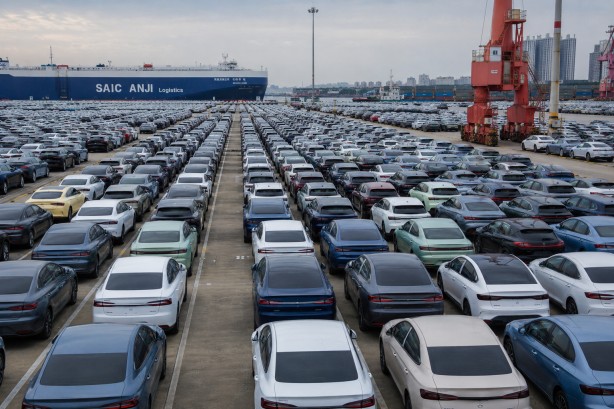
China’s unparalleled ascent to becoming the world’s largest market for electric vehicles has significantly impacted the global automotive industry, enabling the rise of major corporations. However, this rapid expansion has also sparked concerns over potential overproduction and the consequences of heightened competition.
In the past decade, a combination of government incentives, local investments, and robust consumer interest prompted a multitude of companies to venture into the electric vehicle sector. This strategic push spurred the emergence of some of China’s most successful automotive manufacturers and bolstered the country’s advancements in battery technology and clean transportation solutions.
Nevertheless, the swift pace of industry growth has, in certain areas, outpaced consumer demand. Many automakers have developed production capabilities that exceed current market needs, resulting in price wars and financial strain within the sector. As manufacturers vie for market share, competitive pressures have intensified, compelling them to slash prices to lure buyers. While this environment challenges smaller firms, larger companies continue to pour resources into technology, production, and expanding their reach overseas.
Chinese authorities have recently expressed apprehension regarding the risks associated with overcapacity, cautioning that unchecked growth might pose economic challenges. Industry experts suggest that the current dilemma lies in achieving a balance between fostering innovation and competition and ensuring sustainable growth in the long run.
Despite these challenges, China remains at the forefront of the electric vehicle industry globally. Its manufacturers are making significant inroads into international markets, playing a pivotal role in shaping the future of transportation worldwide.